
I’ll research current UK solar panel figures so the article is accurate and up to date before writing it.Let me check current Smart Export Guarantee rates and the VAT situation for 2026.Let me quickly check what the linked site covers so the anchor sentence is meaningful.
Right, let’s not dance around it. Yes – for most UK homes, solar panels are still worth it in 2026. But “worth it” depends on your roof, your habits, and how patient you are with the maths. I’ll be straight with you the whole way through, numbers and all.
Solar is one of those things people either rave about or quietly regret, and the difference almost always comes down to whether they understood the deal before signing on the dotted line. So before you get three quotes and a pushy salesperson on the phone, it honestly helps to get your head around how solar fits into the bigger energy picture first – sites like https://modules-planete-energies.com are handy for that groundwork. Then come back and we’ll talk pounds.
So how much does a solar setup actually cost in 2026?
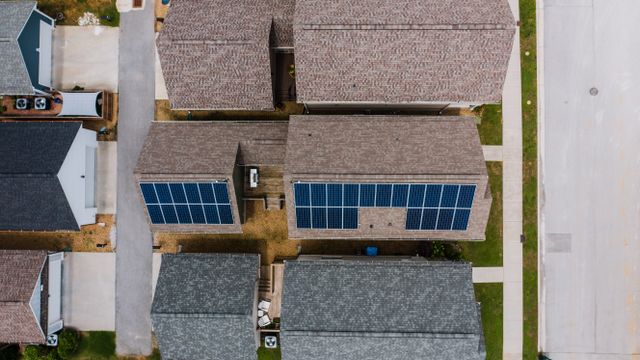 For a typical three-bed semi, a 4kW to 6kW system runs roughly £6,000 to £9,000 installed. That’s the panels, the inverter, scaffolding, the lot. And prices have basically flattened out – they’re not tumbling anymore, but they’re not jumping around either.
One bit of good news that genuinely surprises people : solar still gets 0% VAT in 2026. That alone knocks a fair chunk off, often a thousand quid or more. Add a battery and you’re looking at another £3,000 to £5,000 on top. More on whether you actually need one in a sec.
What you’ll actually save (and earn)
Here’s where it gets real. With electricity sitting around 24–25p per unit in 2026, every bit of sun you use yourself instead of buying from the grid is money straight back in your pocket. Most homes shave £500 to £900 a year off the bill, depending on usage.
Work from home ? Run the washing machine and dishwasher while the sun’s out ? You’ll land at the top end. Out all day with everything switched off ? Bit less. Simple as that.
Then there’s the Smart Export Guarantee – basically, you get paid for the leftover electricity you send back to the grid. Rates are all over the place, mind. A lot of suppliers pay around 12–16p a unit on a fixed deal, and a few go higher if you bundle your import supply with them. Octopus actually cut its standard export rate from 15p to 12p back in March, which annoyed quite a few people. So shop around – it’s worth a couple of hundred quid a year either way.
The payback question – the bit everyone really wants
Okay, the big one. How long until they pay for themselves ? Realistically, around 8 to 12 years for a typical install in 2026. If you’ve got high daytime use and a sharp export tariff, you can pull that down to 6 or 7. Add a battery and it stretches a bit, often into the 10–12 range.
And here’s the thing people forget. Panels are warranted for 25 to 30 years. So once you’ve broken even, you’re looking at potentially fifteen-plus years of near-free electricity. That’s the whole game, really – the long tail is where solar quietly wins.
When solar panels are honestly NOT worth it
I’m not going to pretend it’s a no-brainer for everyone, because it isn’t. If your roof faces mostly north, sits in heavy shade, or is due to be replaced soon, hold off. Paying to take panels down and put them back up again is a proper headache, and an expensive one.
Also – and people don’t love hearing this – if you’re planning to move in two or three years, the maths gets shaky. Solar can nudge a property’s value up by a few percent, sure, but it won’t fully repay a fresh install that fast. Be honest with yourself about how long you’re staying put.
Do you actually need a battery ?
 Tempting, isn’t it ? Store the sun, use it at night, feel a bit smug about it. But a battery adds thousands to the bill and pushes your payback further out. If you’re home during the day, you might not need one at all. If you’re out nine-to-five and want to actually use your solar in the evening, then yeah, it starts to make sense – especially paired with a clever export tariff.
Perso, my take ? Get the panels in first, live with them for a year, then decide on a battery once you can see your own usage patterns. No rush.
So… worth it or not ?
For most homeowners with a decent south-, east- or west-facing roof who plan to stay put ? Genuinely, yes. The payback’s reasonable, the kit lasts decades, and you’re shielding yourself from energy prices that, let’s face it, only ever seem to drift one way.
Just go in with clear eyes. Get three quotes, check the installer is MCS certified (you need that to claim the export payments), and don’t let anyone rush you into signing. Do that, and in 2026 solar is one of the few home upgrades that actually pays you back. Reckon your roof’s up to it ?